· 4 min read
My family's tire loads kept disappearing. The carrier checked out every time.
Why Aqil Naeem co-founded E3: his family's tire distribution business kept losing loads to thieves who got past every carrier check. The missing control was who was standing at the dock.
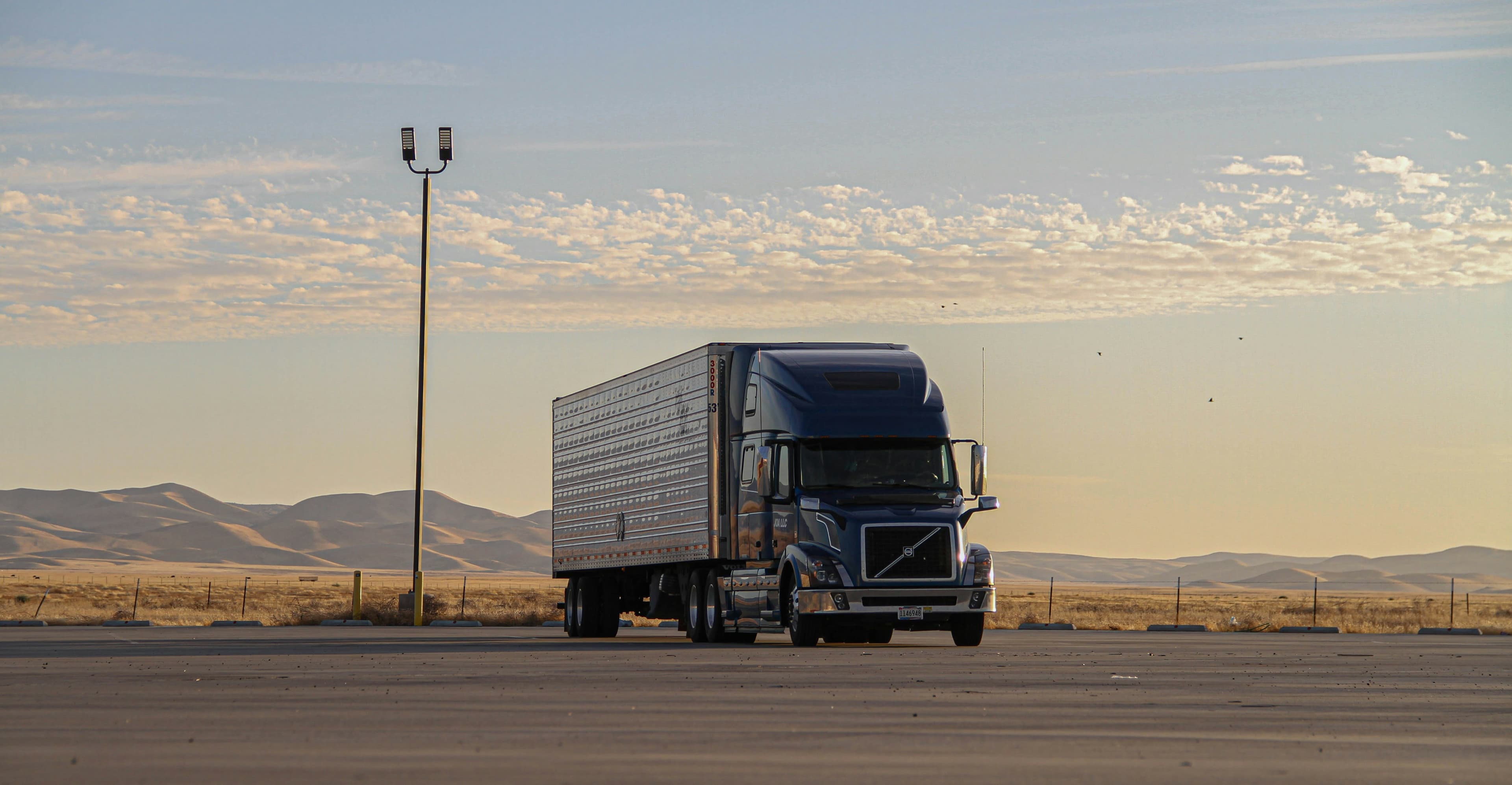
I co-founded E3 Group with Caleb Sirak because my family's tire distribution business kept losing loads to cargo thieves. We did what the industry told us to do, and our freight still left the yard with the wrong people.
The carrier checked out. Nobody authenticated the person picking up the load.
That gap is why E3 exists. It took stolen loads for me to see it. Now, authenticating the driver at pickup is how we keep other shippers' high-value freight from being stolen.
I grew up on the cargo owner's side of freight
I started working in my father's tire distribution business when I was 12. By the time I understood freight, I understood it from the dock.
Owning the freight changes how you see theft. Brokers and carriers feel a stolen load, but the shipper owns it. When one of our loads disappeared, we ate the cost, still had to take care of the customer, and lost time to the insurance claim.
We weren't an unusual target. CargoNet's 2025 annual analysis found that vehicle-related products, tires included, stayed attractive to thieves in a year when estimated U.S. and Canadian losses reached about $725 million, up 60%. The average theft in that report was worth $273,990.
Every check we ran came back clean
The stolen loads looked like every other pickup. Here is what we could see before a pickup: a carrier MC and DOT number that checked out, and sometimes a driver name and phone number passed along by the broker. That was the whole picture. Each time, it looked fine.
We relied on the broker to vet the carrier and tell us who was coming. The broker's tools checked the carrier, not the person at our dock, and some brokers wouldn't share driver names or phone numbers at all. We had no way to know who we were loading until the freight was already gone.
CargoNet sees the same pattern at scale. Its 2026 outlook expects theft-by-deception groups to misdirect loads tendered to legitimate carriers, which gets around controls focused on the tender. A clean carrier record is exactly what those schemes count on.
The gap was one step in the lifecycle, and nobody owned it
So I walked through a load the way it actually moves: tender, dispatch, pickup, in transit, delivery. Tender had a check, because the carrier got vetted. Dispatch passed along whatever details the broker had.
Pickup had nothing. It's the moment the freight changes hands, and it was the one step where no one confirmed who was actually standing there.
That changed how I saw the problem. Cargo theft is identity theft. CargoNet's Q3 2025 analysis describes criminals using social engineering to learn the brokerage, carrier and contact names on a shipment, then using them to get the load.
It's not carrier fraud. It's identity fraud at pickup: someone with a CDL that looks real, riding on a carrier that checks out.
We've since seen how far it goes. One shipper filmed someone swapping license plates in its lot, and police found five CDLs and four license plates in the vehicle. Real drivers aren't the problem in that story. They're the people a better pickup process should protect.
I needed someone who'd stopped fraud in a different industry
Caleb and I met at competitive coding competitions. He had founded and exited Fusepay, then gone back to MIT.
What Caleb brought was a way of thinking from financial services. Mobile check deposit works because banks built image-fraud detection that can tell a real document from a manipulated one. A CDL photo at a loading dock is the same kind of problem: a document image that has to be genuine, tied to the person holding it, at the moment it matters.
We started E3 together about a year ago, after one to many tire loads were taken.
What that stolen load changed about how Shield works
Shield authenticates the person at pickup and records it, so every handoff has an audit trail your SOPs and your insurer can point to. That's the record my family never had. When a load went missing, we couldn't show who took it or what we'd checked.
For real drivers, it's a short step, not an interrogation. Shield turns a handful of inputs into more than 50 fraud signals in minutes. A legitimate pickup moves on without being treated as suspect, the broker knows its client's cargo left with the right person, and the shipper knows the load is headed where it's supposed to go.
Across more than 650,000 loads this year, Shield customers have had zero stolen loads. Learn more about E3 here.
The question to ask at every pickup
The question my family couldn't answer at our own dock was simple: who is actually taking this load? If you ship or broker high-value freight, ask it at every pickup. Then ask whether you could prove the answer to your insurer a month later.
If you can't, pickup is the step to fix first. See how Shield authenticates the handoff in a demo. Book a demo here.
Aqil Naeem is Co-Founder and CEO of E3 Group. Learn more about the E3 team here.
- Cargo theft
- Founder story
- Shippers